
The Native American Chinook Tribe occupies a storied and significant place in the history of the Pacific Northwest. Historically centered along the lower Columbia River—stretching from the river’s mouth up to the Dalles—the Chinook people were master navigators, skilled traders, and central figures in the cultural landscape of the coastal region. Their sophisticated society thrived on the abundance of the river and the ocean, allowing them to develop complex social hierarchies and a vast influence that extended far beyond their traditional homelands through the reach of their extensive trading networks.
The Cultural Significance of the Lower Columbia River
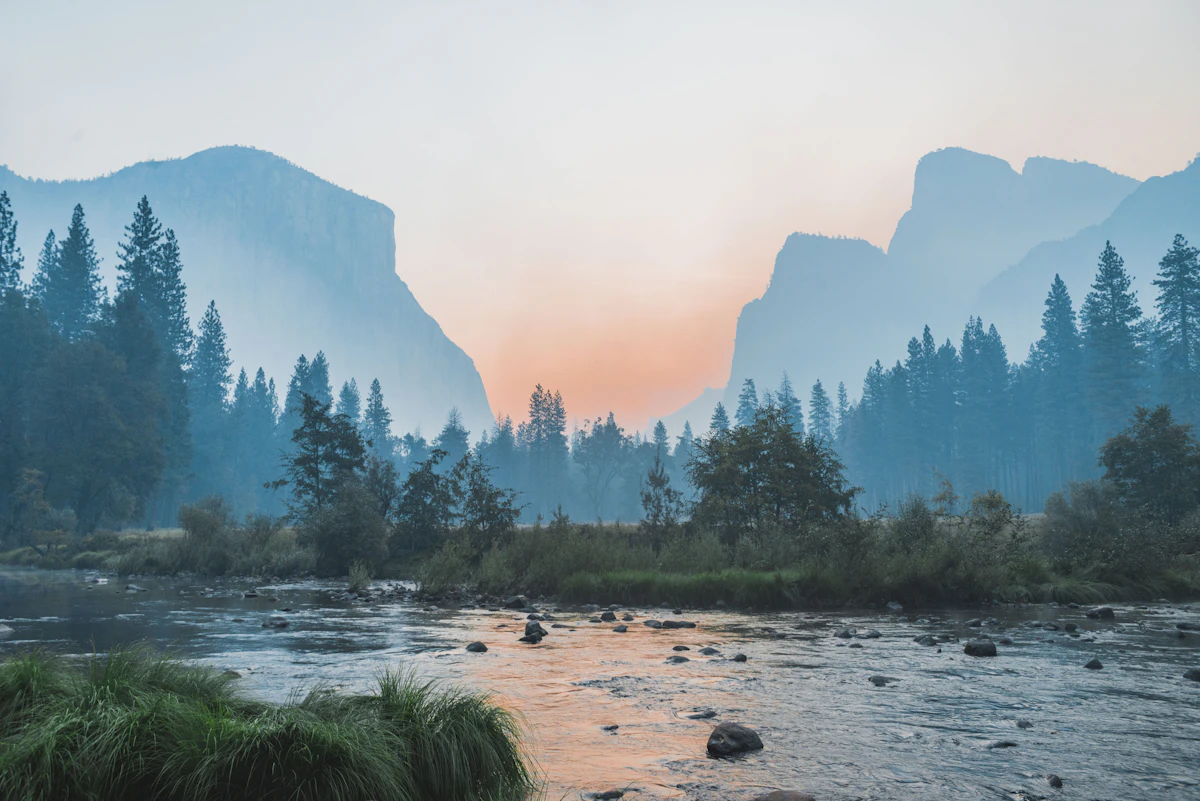
For the Native American Chinook Tribe, the Columbia River was not merely a geographical feature; it was the lifeblood of their civilization. The river provided a bounty of salmon, which served as a primary food source, a ceremonial offering, and a primary commodity for trade. Their proximity to the water fostered a culture of seafaring prowess, with the Chinook constructing distinctive, ocean-going cedar dugout canoes that could carry massive loads of goods and multiple passengers across challenging coastal waters.
Social structure within the tribe was often determined by wealth and lineage. Unlike many nomadic groups, the Chinook lived in permanent, large-scale longhouses made of cedar planks. These dwellings could house multiple families and were indicative of a stable, sedentary society that valued status, hereditary rights, and the accumulation of resources as a sign of prosperity.
The Vast Trade Networks and Chinook Jargon
The influence of the Native American Chinook Tribe was perhaps most profoundly felt in the development of the “Chinook Jargon.” This trade language became the lingua franca of the entire Pacific Northwest. As the Chinook served as middlemen between interior tribes and coastal groups—and later between these indigenous groups and European explorers—they facilitated an economic environment that was unparalleled in its complexity.
- Economic Control: The tribe effectively controlled the flow of goods like dentalium shells (used as currency), slaves, dried salmon, and furs.
- Linguistic Innovation: Chinook Jargon evolved to include words from Chinookan, Nuu-chah-nulth, French, and English, allowing for seamless communication across diverse cultures.
- Strategic Diplomacy: Their role as intermediaries allowed them to maintain a position of high authority, ensuring their survival and prosperity during early contact periods.
💡 Note: The development of Chinook Jargon highlights the tribe's adaptability and intellectual sophistication, proving their influence shaped the regional identity of the Pacific Northwest for centuries.
Comparison of Regional Indigenous Economic Roles
| Tribal Group | Primary Economic Focus | Regional Role |
|---|---|---|
| Native American Chinook Tribe | River Trade & Maritime Navigation | Middlemen/Regional Merchants |
| Coastal Salish | Fishing & Weaving | Resource Producers |
| Plateau Tribes | Hunting & Gathering | Interior Suppliers |
Endurance and Contemporary Presence
The journey of the Native American Chinook Tribe through the 19th and 20th centuries was marked by immense challenges, including the devastating impact of introduced diseases and the pressure of western expansion. The Lewis and Clark expedition famously encountered the Chinook in 1805, documenting their unique customs and their impressive architectural skills. Despite the hardships brought by displacement and shifting federal policies, the modern Chinook Nation remains a resilient entity committed to cultural revitalization.
Today, the focus of the community is heavily placed on the restoration of traditional ecological practices and the protection of salmon habitats. They argue that the health of the Columbia River is intrinsically linked to the health of their culture. By working on language preservation programs and documenting their oral histories, members of the Native American Chinook Tribe ensure that the wisdom of their ancestors continues to guide future generations.
💡 Note: While legal and political recognition remains a long-standing struggle for the Chinook, their cultural influence remains deeply woven into the fabric of Oregon and Washington state history.
Traditional Social Hierarchies
The structure of Chinook society was unique for its time, categorized by a distinct class system that included:
- Nobility: Individuals of high lineage who held leadership roles and owned key resource sites, such as prime fishing spots.
- Commoners: The bulk of the population who engaged in daily labor, craftsmanship, and resource gathering.
- Enslaved People: Often captured during raids, these individuals occupied the lowest rung of the social ladder, though their status was fundamentally different from the chattel slavery seen in later American history.
The practice of the "Potlatch" was also central to maintaining this structure. During these elaborate feasts, leaders would distribute their accumulated wealth to their community and neighboring tribes. This act was not merely an act of charity; it was a way of reinforcing social rank, settling disputes, and solidifying alliances. A leader’s status was proportional to his ability to give away resources, a concept that stands in stark contrast to modern notions of capital accumulation.
Impact of Early Contact and European Trade
When maritime fur traders arrived in the late 18th century, the Native American Chinook Tribe was perfectly positioned to engage with the global economy. They shifted some of their production to favor sea otter pelts, which were highly sought after in the Asian markets. While this trade brought new technologies and materials to the tribe, it also brought the devastating smallpox epidemics that decimated indigenous populations throughout the region.
The arrival of European settlers disrupted the delicate balance of the river. The construction of dams and the alteration of the Columbia River's ecosystem over the subsequent two centuries have made the traditional way of life significantly more difficult. However, the Chinook have refused to be defined solely by the trials they have endured, choosing instead to focus on their enduring connection to the landscape and the continuity of their traditions.
Reflecting on the history of the Native American Chinook Tribe reveals a narrative of resilience, innovation, and profound environmental stewardship. From their pivotal role as the economic architects of the Pacific Northwest through their sophisticated trade networks and linguistic contributions, to their ongoing commitment to preserving their cultural heritage, the Chinook remain a vital part of the regional tapestry. Their legacy is not found in the past alone, but in the active pursuit of identity, rights, and the ongoing stewardship of the Columbia River basin. By understanding their history, one gains a deeper appreciation for the complexity of the indigenous civilizations that laid the foundation for the society we see in the Pacific Northwest today, reminding us that the connection between a people and their environment is perhaps the most enduring heritage of all.
Related Terms:
- pacific northwest tribe chinook
- chinook tribe on map
- chinook tribe facts
- chinook native american names
- chinook tribe ancestors
- chinook tribe location