What is a Document Management System (DMS): Your Guide Unveiled
In today’s data-driven world, the efficiency of document handling directly impacts business productivity. The introduction of a Document Management System (DMS) has revolutionized how organizations manage, store, and retrieve critical documents. In this comprehensive guide, we explore what a DMS truly is, its critical benefits, and actionable recommendations for implementing one.
Key Insights
- A DMS streamlines document management processes, ensuring quicker access and enhanced security.
- Centralized repositories reduce redundancy and support compliance with regulatory requirements.
- Implementing a DMS can drastically reduce costs associated with physical storage and retrieval.
The Core Functionality of a DMS
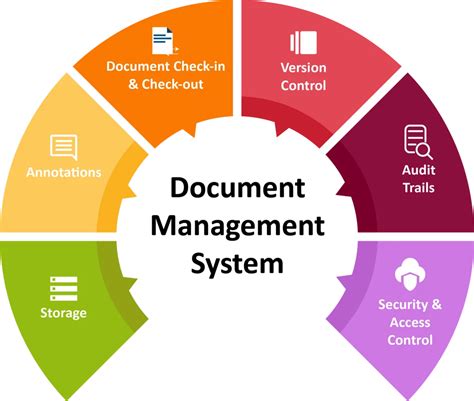
A Document Management System (DMS) provides an organized, searchable repository for all documents. Unlike traditional filing systems, DMS allows digital files to be stored and indexed in a way that enables rapid retrieval. Key functionalities include:
- Automated document capture
- Document categorization and metadata tagging
- Version control
- Security features like user permissions and encryption
- Search and retrieval capabilities using advanced search algorithms
Implementing a DMS centralizes document management, significantly reducing the time spent searching for documents. This functionality is particularly useful in industries such as healthcare, finance, and legal services, where precise and timely access to documents is paramount.
The Benefits of Implementing a DMS
A well-implemented Document Management System can yield numerous benefits for an organization, enhancing both productivity and compliance. Here are two primary advantages:
Enhanced Security and Compliance
One of the standout benefits of a DMS is the enhanced security it offers. With features such as user authentication, access control, and encryption, a DMS ensures that sensitive documents are protected against unauthorized access. This security is not just about physical protection but also covers digital integrity.
Furthermore, a DMS facilitates compliance with various regulatory requirements by maintaining an audit trail of document versions, access logs, and modification records. This is critical in highly regulated industries like healthcare, where compliance with laws like HIPAA is mandatory.
Cost Efficiency
Another significant advantage of adopting a DMS is the reduction in operational costs. By transitioning from physical to digital document management, businesses eliminate the need for extensive storage space and reduce the costs associated with physical maintenance, including inventory management, storage fees, and physical retrieval.
DMSs also cut down on administrative costs by automating repetitive tasks such as data entry and document classification, thus freeing up valuable time for employees to focus on more strategic activities. This automation translates into more significant savings over time.
What industries benefit most from a DMS?
Industries such as healthcare, finance, and legal services benefit the most due to stringent regulatory requirements and the need for quick, secure access to documents.
How do I choose the right DMS for my organization?
Choosing the right DMS involves assessing your organization’s specific needs, understanding the scale of document management required, and evaluating features like integration capabilities, user-friendliness, and scalability.
This article has explored the essentials of what is a Document Management System and emphasized the practical benefits it offers. By understanding the core functionality, benefits, and strategic implementation considerations, organizations can make informed decisions to enhance their document management processes and drive overall efficiency.