Every parent wants to ensure their child reaches their fullest potential in motor development. This crucial stage shapes a child’s ability to coordinate movements, control physical activity, and build self-confidence through play and physical interaction. Understanding the right steps and common pitfalls in motor development can help you support your child’s growth effectively. This guide aims to provide clear, actionable advice to navigate the journey of motor development in children.
Why Motor Development Matters
Motor development is a foundational aspect of childhood growth, influencing physical coordination, cognitive skills, and social interactions. Fine motor skills, such as writing and buttoning clothes, and gross motor skills, like running and jumping, develop over time with practice and stimulation. These skills are crucial not only for daily activities but also for developing confidence and communication. As a parent or guardian, recognizing and supporting these developments can provide a strong foundation for your child’s future.
Understanding the Basics of Motor Development
Motor skills are divided into two main categories: fine motor skills and gross motor skills. Fine motor skills involve small muscle movements in the hands and fingers, while gross motor skills include larger muscle movements in the arms, legs, and whole body. These skills develop in a predictable sequence as children grow. Here’s a brief overview of the typical progression:
- In infancy, newborns begin with reflexes like sucking and rooting, which gradually turn into controlled movements like reaching and grabbing.
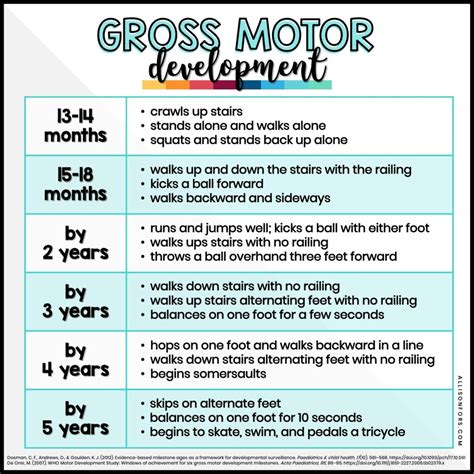
- By 12 months, infants start crawling and taking their first steps.
- Around age 2, children refine their gross motor skills with activities like walking, climbing, and jumping.
- By 3 to 4 years, fine motor skills improve with tasks such as drawing and tying shoelaces.
Step-by-Step Guidance to Support Motor Development
Here’s a detailed guide on how to foster your child’s motor development through specific actions and exercises.
For Infants (0-12 Months)
During this stage, infants are learning the basics of motor control:
- Encourage tummy time to strengthen neck and upper body muscles. Start with 5-10 minutes a day and gradually increase.
- Introduce toys that promote grasping and reaching. Use soft, textured toys that are safe and easy to hold.
- Read books and engage in interactive play to stimulate their senses and encourage movements. Read aloud and encourage them to touch and explore.
For Toddlers (1-3 Years)
Toddlers are becoming more active and their motor skills are rapidly developing:
- Provide opportunities for independent walking and climbing. Set up safe spaces with low tables and simple stairs.
- Offer various toys and materials for manipulating objects, like building blocks and stacking cups. These activities help refine their fine motor skills.
- Encourage play in a park or playground to promote gross motor activities. Let them run, slide, and climb to build strength and coordination.
For Preschoolers (3-5 Years)
Preschoolers are refining their motor skills and starting to understand more complex tasks:
- Introduce sports or dance classes to combine fun with skill-building. Classes like soccer, gymnastics, or dance offer structured practice.
- Provide art and craft activities that require precision, like drawing, cutting, and threading beads. These activities enhance fine motor skills.
- Play interactive games that require coordination, such as obstacle courses. Set up simple courses at home with pillows and cones.
Quick Reference
Quick Reference
- Immediate action item with clear benefit: Ensure daily tummy time sessions to strengthen neck and shoulder muscles.
- Essential tip with step-by-step guidance: Introduce fine motor activities like threading beads, which involve small muscle coordination and hand-eye skills.
- Common mistake to avoid with solution: Over-scheduling can hinder rather than help motor development. Balance structured activities with free play.
Practical FAQ
What should I do if my child is not meeting motor development milestones?
If you have concerns about your child’s motor development, first observe them in different settings to see if milestones are met variably. Consult a pediatrician for a professional assessment. Early intervention can include physical therapy or special education programs. Activities such as sensory play and motor skill games at home can be beneficial. Incorporate routine physical activities and fine motor tasks into playtime to stimulate development.
Motor development in children is a dynamic process that benefits from supportive and stimulating environments. By providing the right mix of activities and recognizing when to seek professional advice, you can help your child achieve their full potential in motor skills.