The ongoing conflict between Gaza and Israel remains one of the most contentious and complex geopolitical issues of our time. With deep historical, cultural, and religious roots, the intricacies of this conflict often elude even the most educated of observers. This deep dive aims to shed light on the lesser-known dimensions of this strife, providing a clearer understanding through expert analysis and practical insights.
Understanding Historical Context
To grasp the current dynamics of the Gaza-Israel conflict, it is essential to delve into its historical underpinnings. The conflict traces back to the end of the Ottoman Empire following World War I, the subsequent British Mandate, and the creation of Israel in 1948. This period saw a series of wars and territorial disputes, fundamentally shaping the landscape of modern Middle Eastern politics. For instance, the 1967 Six-Day War had far-reaching implications, resulting in Israel’s control over the Gaza Strip, West Bank, and East Jerusalem, which continue to affect diplomatic relations and regional stability.Economic and Social Impacts
Beyond the military and political dimensions, the Gaza-Israel conflict has profound economic and social implications. The blockade imposed by Israel on Gaza since 2007 has led to significant economic constraints. According to the World Bank, the GDP per capita in Gaza is less than half of that in Israel. This economic disparity fuels social strife and has resulted in high unemployment rates, limited access to healthcare, and chronic shortages of basic necessities. An actionable approach to addressing these challenges is the promotion of economic integration and development initiatives that bridge the socioeconomic gap, fostering mutual prosperity.Key Insights
- Historical context is pivotal in understanding the present-day conflict.
- Economic disparities contribute significantly to the social and political tensions.
- Developing economic integration projects can help alleviate some of the social and economic strife.
Humanitarian Concerns and International Response
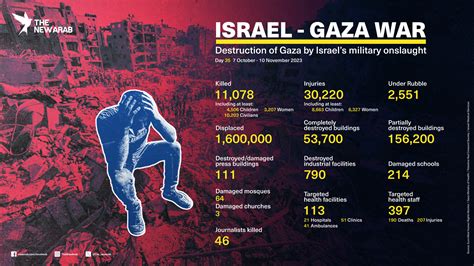
The humanitarian situation in Gaza presents another critical aspect of this conflict. Frequent clashes, blockade enforcement, and military operations have resulted in numerous civilian casualties, widespread displacement, and deteriorating living conditions. The international community has responded with various humanitarian aid and peacekeeping missions. However, the effectiveness of these efforts remains under scrutiny. For example, UN agencies have repeatedly called for increased access and resources to support the civilian population. There is an urgent need for a sustained and coordinated international effort to address the humanitarian crisis, ensuring that basic rights and living standards are upheld.How does international law apply to the Gaza-Israel conflict?
International law, particularly international humanitarian law and human rights law, applies to the Gaza-Israel conflict. It includes the protection of civilians in armed conflict, the prohibition of torture and inhuman treatment, and the necessity of ensuring humanitarian access. Despite these legal frameworks, the application and enforcement are inconsistent, leading to ongoing debates and challenges.
What role do non-governmental organizations (NGOs) play in the region?
NGOs play a crucial role in the Gaza-Israel conflict by providing humanitarian aid, advocating for human rights, and offering support services to affected communities. Organizations such as Médecins Sans Frontières and the International Committee of the Red Cross work tirelessly to provide medical care, food, and other essential services to civilians in Gaza, despite the numerous challenges they face in the region.
This comprehensive analysis highlights the multifaceted nature of the Gaza-Israel conflict. With historical, economic, social, and humanitarian dimensions all playing a role, the path to peace remains fraught with obstacles. However, by understanding these hidden layers and addressing them through coordinated international efforts and practical economic initiatives, there is potential for a more stable and equitable resolution.